
Rustic Vegan Irish Soda Bread: A Plant-Based Take on Tradition
My love affair with Rustic Vegan Irish Soda Bread began during a rainy week in Dublin, where I ducked into a tiny bakery to escape a sudden downpour. The baker handed me a still-warm slice slathered with jam, and that first bite—crusty exterior giving way to a tender, slightly tangy crumb—changed my understanding of what bread could be. When I transitioned to plant-based eating years later, recreating this simple yet profound bread experience became somewhat of an obsession.
Traditional Irish soda bread recipe with buttermilk relies heavily on dairy, but after countless experiments (and some memorable failures), I’ve developed a vegan version that honors the rustic, homey nature of the original. Unlike the best Irish soda bread recipe claims you might find that are loaded with eggs, butter, and buttermilk, this plant-based adaptation achieves that distinctive texture and flavor while remaining completely vegan. It’s reminiscent of Mary Berry’s soda bread recipe in its straightforwardness, but reimagined with whole food plant-based ingredients.
What makes Irish soda bread so special isn’t fancy technique or obscure ingredients—it’s the beautiful simplicity. This quick bread relies on baking soda (hence the name) rather than yeast for leavening, making it accessible even to novice bakers. The cross cut into the top isn’t just decorative—it has practical origins in helping the thick bread cook through evenly, while also carrying the symbolic meaning of warding off evil and letting the fairies escape. Whether you believe in kitchen fairies or not, there’s something magical about pulling a loaf of homemade bread from the oven in under an hour.
Rustic Vegan Irish Soda Bread
Created by : DriftRecipes
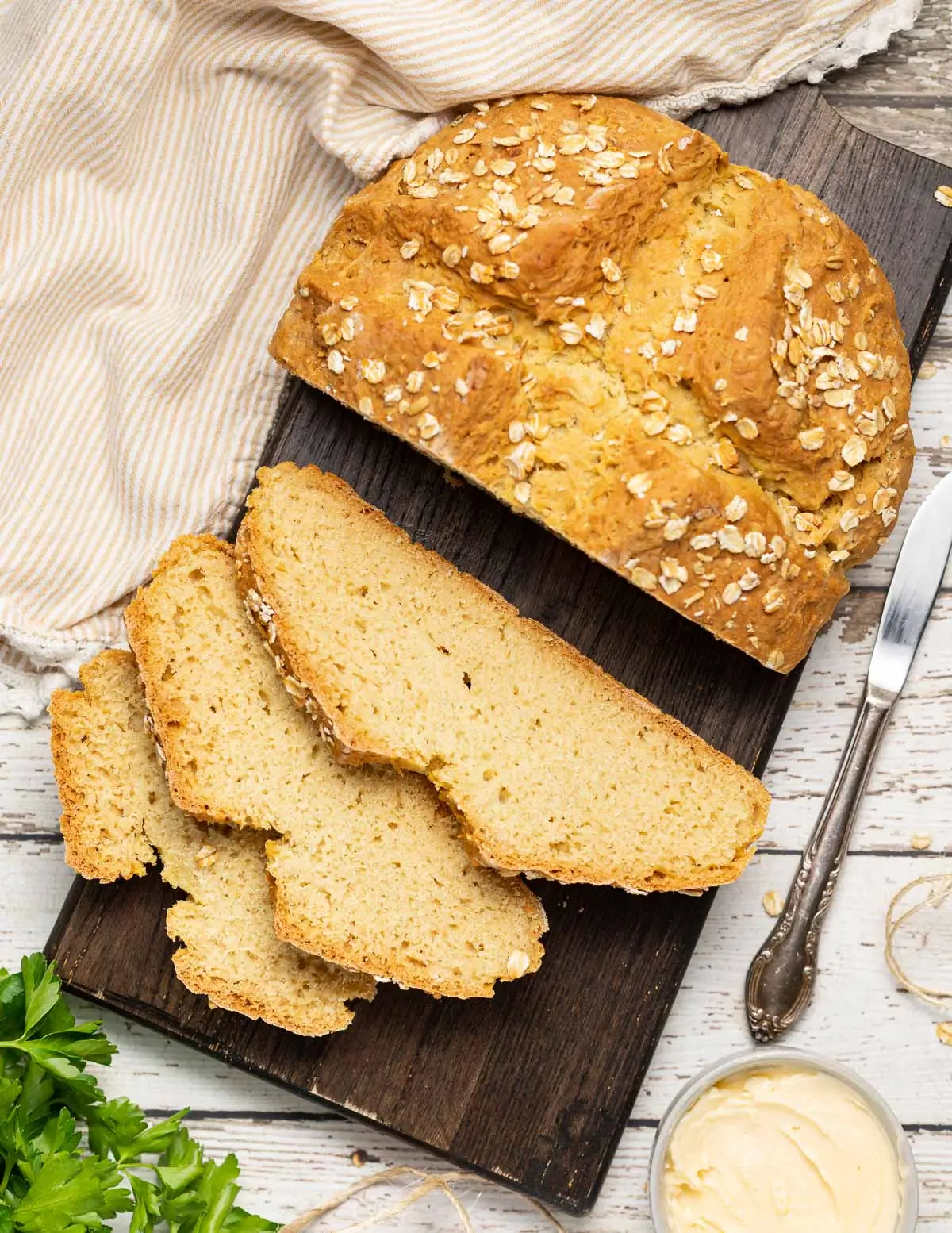
A crusty, tender Rustic Vegan Irish Soda Bread made with simple ingredients. Ready in under an hour—perfect for St. Patrick’s Day or any day!
Ingredients
Instructions
Notes
- Course Bread, Side Dish
- Cuisine Vegan, Irish
- Keyword plant-based soda bread, quick vegan bread, rustic bread recipe, St. Patrick’s Day recipe, vegan Irish soda bread, Rustic Vegan Irish Soda Bread
Want Even More Recipes?
Join our Facebook Page to find more delicious family recipes.
Why You’ll Love This Recipe
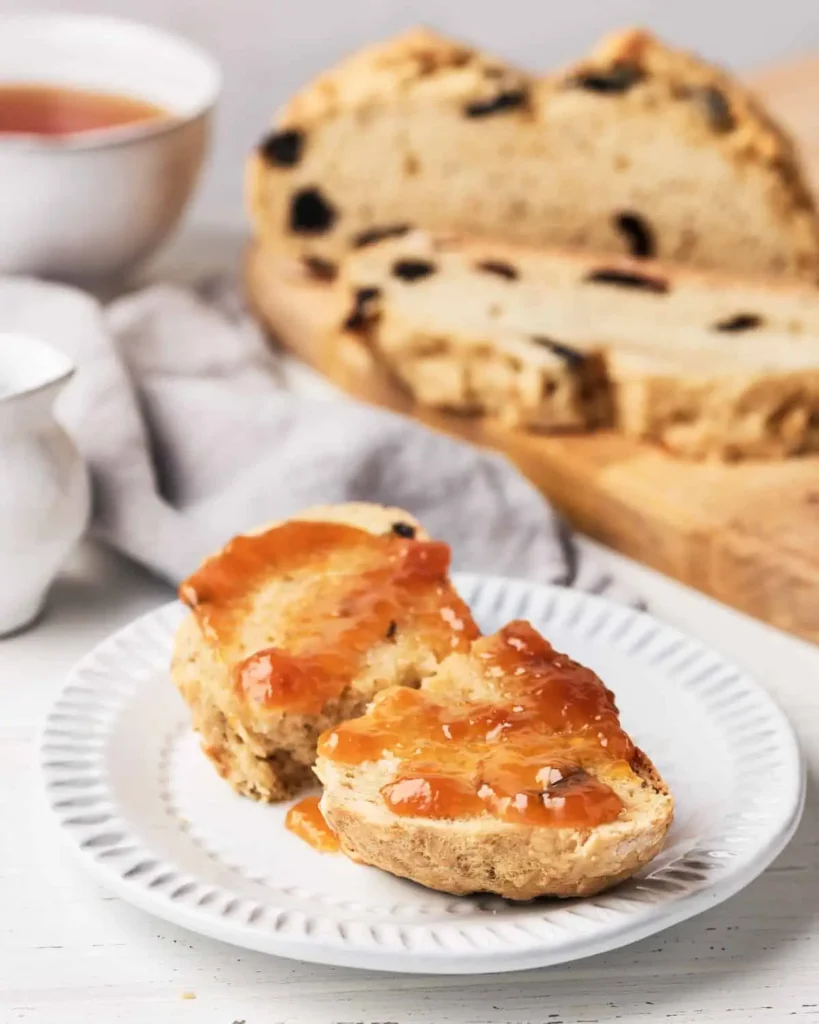
This isn’t just another simple Rustic Vegan Irish Soda Bread recipe—it’s a gateway to experiencing authentic Irish baking traditions without any animal products. Unlike many vegan adaptations that feel like compromises, this version captures the soul of traditional soda bread. The crust achieves that perfect crackly exterior while the inside stays tender and moist, with a subtle tanginess that mimics traditional buttermilk versions.
What makes this recipe special is how closely it adheres to the humble roots of Irish soda bread. Historically, this was everyday sustenance made with the most basic Irish soda bread ingredients: flour, buttermilk, salt, and baking soda. My plant-based version maintains that beautiful simplicity while proving that vegan baking can be just as satisfying and authentic as traditional methods.
Perhaps most importantly, this bread is incredibly forgiving. Even if you’ve never baked bread before, you’ll succeed with this recipe. There’s no kneading, no rising time, and no special equipment required. Just mix, shape, and bake. The hands-on time is less than 10 minutes, making this perfect for busy weeknights when you want something homemade but don’t have hours to spend in the kitchen.
Rustic Vegan Irish Soda Bread: Simple Ingredients
For the Base Bread:
For the Vegan “Buttermilk”:
Optional Add-ins:
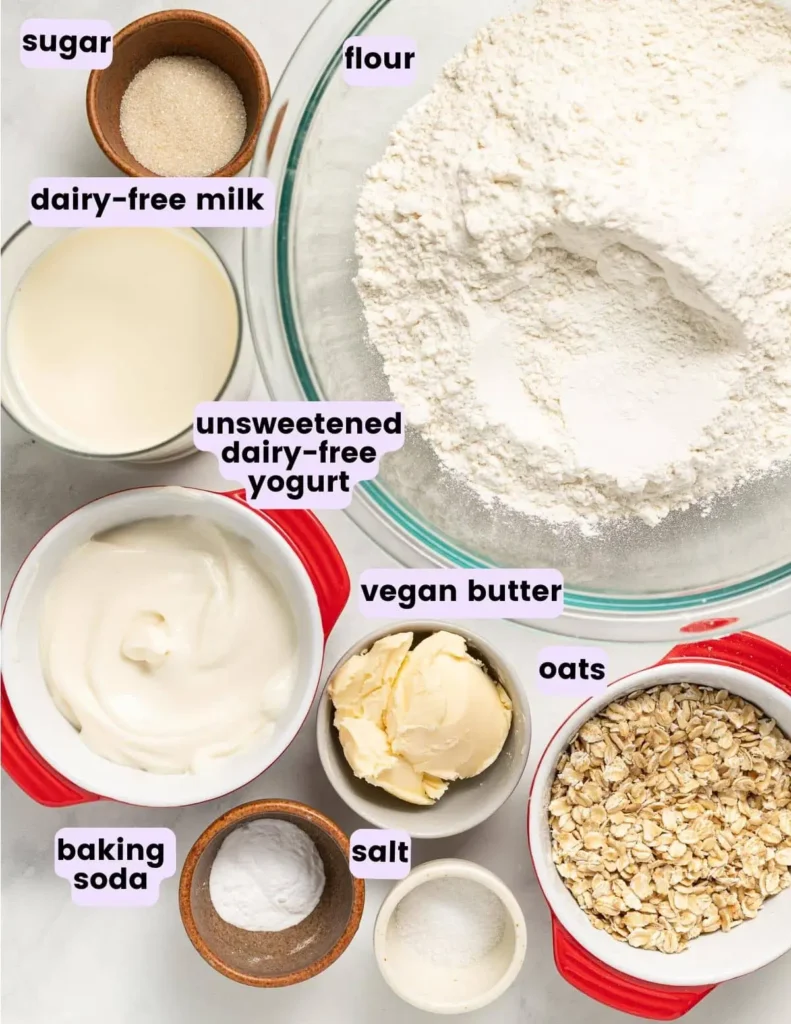
Rustic Vegan Irish Soda Bread Instructions
Step 1: Prepare Your Oven and “Buttermilk”
Position a rack in the center of your oven and preheat to 425°F (220°C). Line a baking sheet with parchment paper or lightly dust with flour.
In a measuring cup, combine the plant milk with apple cider vinegar and lemon juice. Stir briefly and let sit for 5-10 minutes. The mixture will slightly curdle and thicken—this is your vegan “buttermilk.” This acidic mixture is crucial as it reacts with the baking soda to create carbon dioxide bubbles that help the bread rise.
Step 2: Mix the Dry Ingredients
In a large bowl, whisk together the flour, baking soda, and salt. If using caraway seeds or dried herbs, add them at this stage.
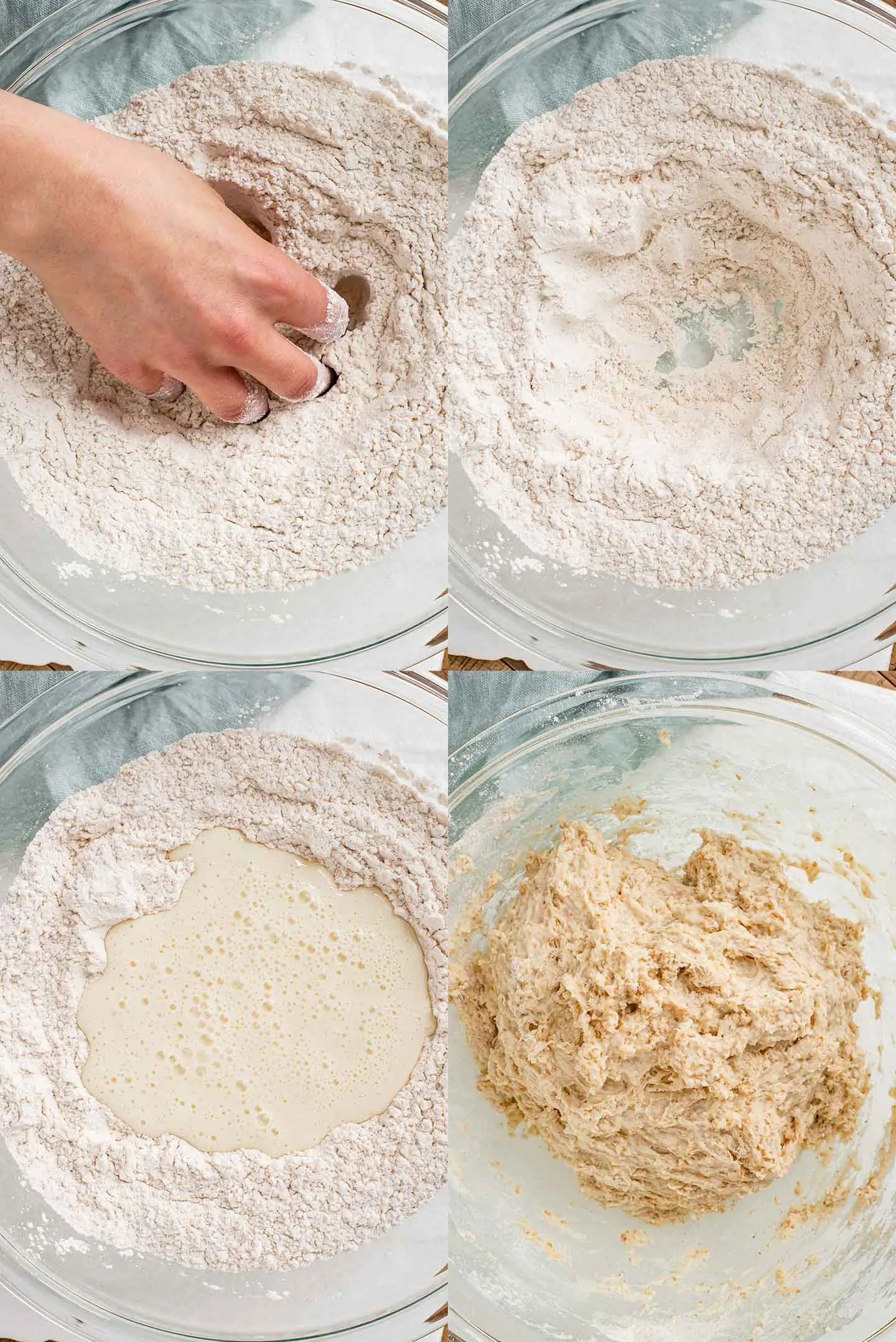
Create a well in the center of your dry ingredients. This method allows for minimal handling of the dough, which is key to a tender loaf.
Step 3: Form the Dough
Pour the curdled plant milk mixture into the well. Using a wooden spoon or your hand, mix gently in a circular motion, starting from the center and working outward. Mix just until the dough comes together—it will be shaggy and slightly sticky.
The minimal mixing is intentional. Over-manipulating the dough activates the gluten too much, which can make your bread tough. This approach also preserves the delicate bubbles forming from the baking soda reaction.
Step 4: Shape Your Loaf
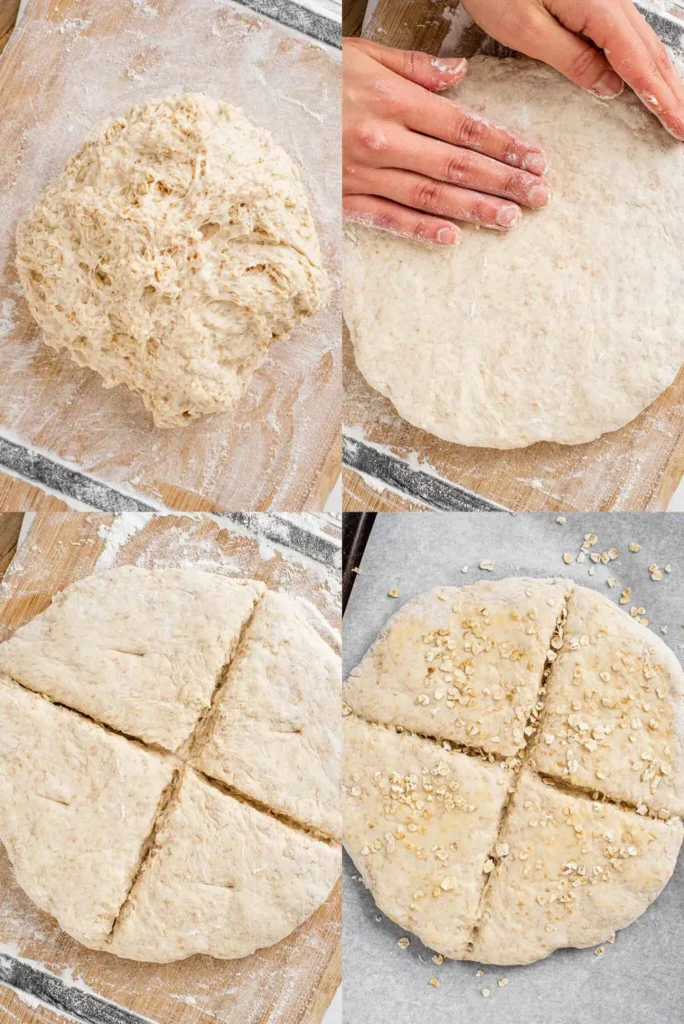
Turn the dough out onto a lightly floured surface. With floured hands, gently shape it into a round about 6-7 inches in diameter and about 1½ inches high. Again, handle the dough as little as possible—just enough to form a cohesive round.
Transfer the shaped dough to your prepared baking sheet. Using a sharp knife, cut a deep cross into the top, extending almost to the edges but not all the way through. This isn’t just tradition—it helps the thick bread cook evenly through the center.
Step 5: Bake to Perfection
Place the bread in the preheated oven and bake for 30-35 minutes, until the crust is golden brown and the bread sounds hollow when tapped on the bottom. If you’re unsure, an instant-read thermometer inserted into the center should register around 200°F (93°C).
Transfer to a wire rack if you have or buy from amazon and let cool for at least 30 minutes before slicing. This resting period allows the texture to set properly.
Pro Tips & Common Mistakes
After baking countless loaves, I’ve identified several factors that separate good Rustic Vegan Irish Soda Bread from great soda bread:
Variations
Serving Suggestions
Recipe FAQ
Q: Can I use regular flour instead of bread flour? A: Absolutely! All-purpose flour works perfectly in this recipe. In fact, traditional Rustic Vegan Irish Soda Bread was made with soft wheat flour.
Q: Why didn’t my bread rise much? A: Check the freshness of your baking soda, and make sure your “buttermilk” is acidic enough. Also, overworking the dough can inhibit rising.
Q: Can I add raisins and caraway seeds together? A: While not traditional, the sweet-savory combination works beautifully. Add about ½ cup raisins and 1 tablespoon caraway seeds.
Q: Is it supposed to be dense? A: Yes, authentic Irish soda bread has a relatively dense, tight crumb. It shouldn’t be as airy as yeasted bread.
Q: Can I make mini loaves instead of one large one? A: Definitely! Shape into 3-4 smaller rounds and reduce baking time to about 20-25 minutes.
More Recipes You’ll Love



Conclusion
There’s something deeply satisfying about continuing traditions while adapting them to our modern values. This Rustic Vegan Irish Soda Bread connects us to centuries of Irish baking heritage while aligning with plant-based choices. The beautiful simplicity of this bread—mixed by hand, shaped with care, and shared with loved ones—reminds us that good food doesn’t need to be complicated. Whether you’re celebrating St. Patrick’s Day or simply craving homemade bread without the fuss of yeast, this recipe delivers a little piece of Irish tradition with a compassionate twist.